Fostering togetherness – The core of the EDQM’s mission
Building for the future
In an increasingly interconnected world, the EDQM places great importance on its collaboration with a diverse range of stakeholders – including governments, regulatory authorities, scientific institutions, academia, industry, healthcare professionals and public health organisations – spanning continents and sectors. Reflecting this commitment, the EDQM has set a strategic objective for 2024-27 to strengthen stakeholder engagement across all its areas of activity.
Purpose and vision
At the heart of the EDQM’s success lies its ability to bring people and expertise together around a shared mission: protecting public health.
Fostering togetherness in an increasingly complex health and regulatory landscape is not just a value – it is a strategic driver. By actively listening to its stakeholders, building inclusive partnerships and strengthening dialogue across all areas of work, the EDQM ensures that its scientific and regulatory outputs remain relevant, timely and impactful.
In 2024, the EDQM focused on expanding participation, reinforcing transparency and enhancing communication channels through targeted initiatives such as the Medium-Term Strategy (MTS) project. These efforts are designed to build more agile, inclusive and effective engagement practices – and to strengthen collaboration and trust with a broad community of stakeholders: member states and institutions, healthcare professionals, patients’ associations, academia, the pharmaceutical industry and the general public.
Through this approach, the EDQM not only increases the quality and relevance of its work but also lays the foundation for achieving its strategic objectives, identifying emerging needs early and harnessing collective expertise to protect public health more effectively.
Building global, diverse and inclusive networks
The EDQM is committed to fostering expert and governance networks that are not only international in scope but also inclusive and representative of diverse perspectives. The strength of our work depends on the breadth of expertise and the inclusivity of our decision-making structures. By actively engaging professionals from a wide range of geographical and disciplinary backgrounds, the EDQM ensures that its standards and policies are informed by a truly global and multifaceted understanding of needs. This approach reinforces the legitimacy, relevance and impact of the EDQM’s work across all regions and sectors.
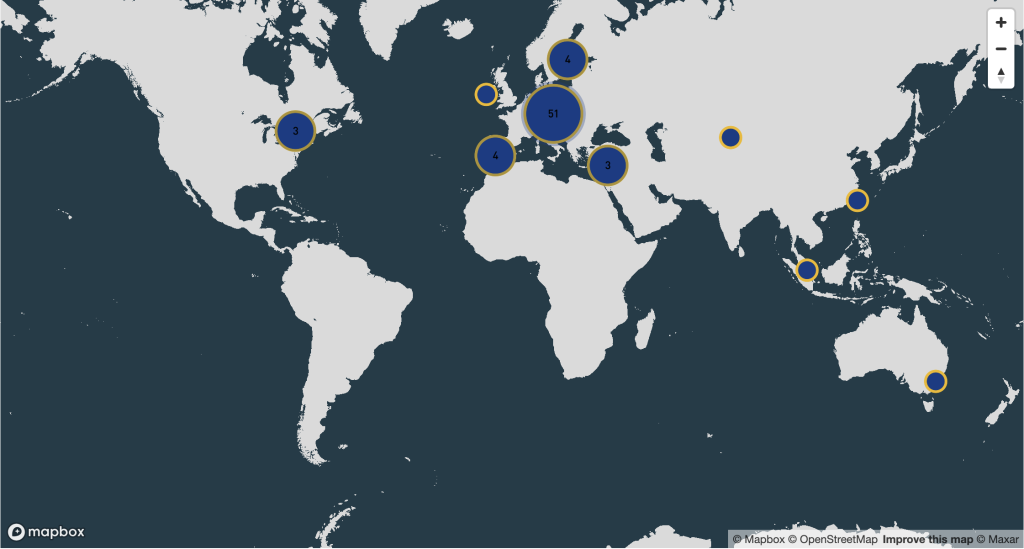

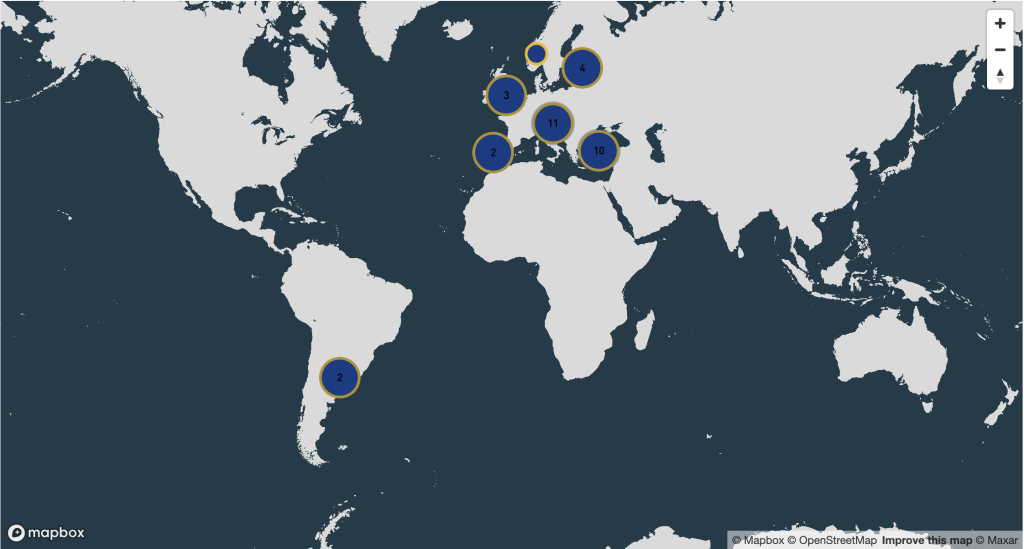
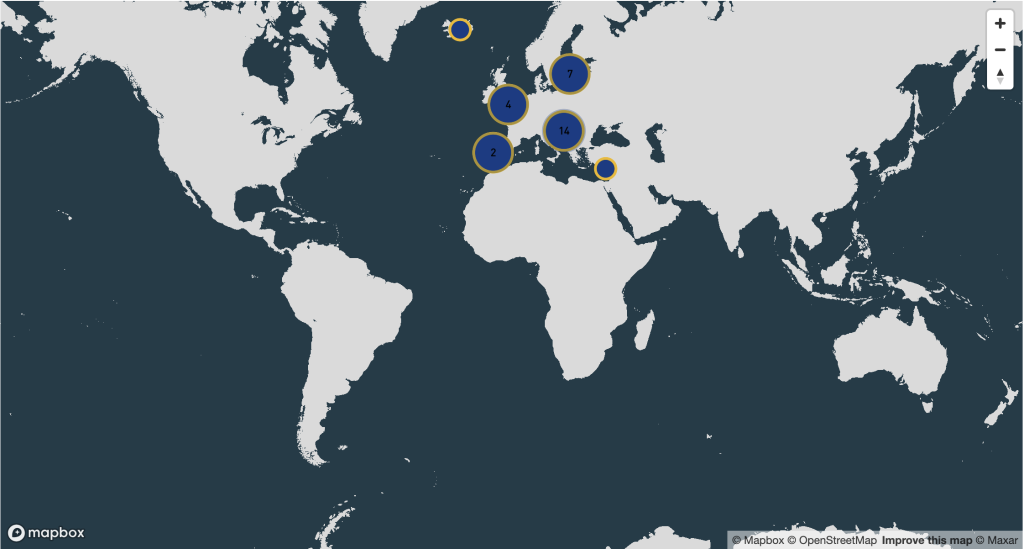
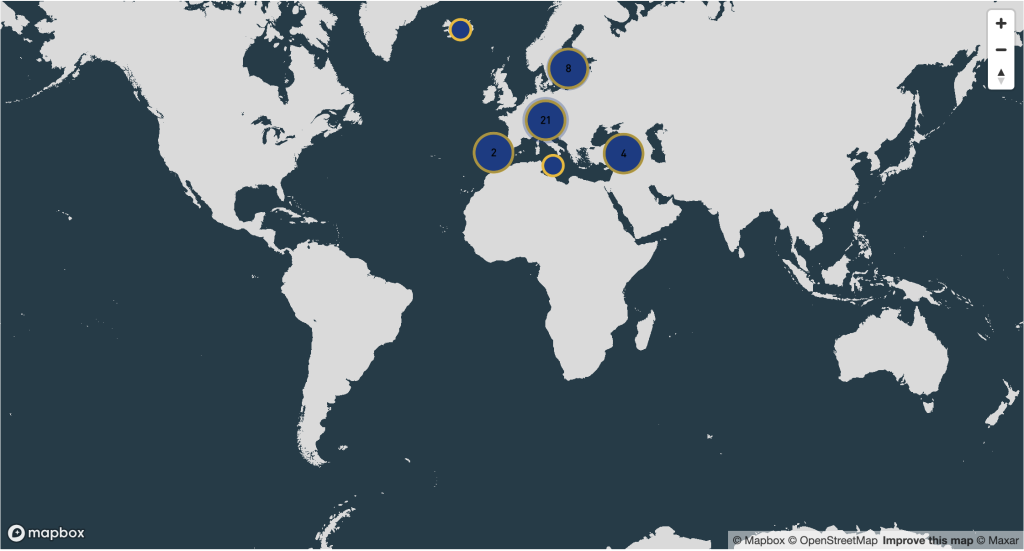
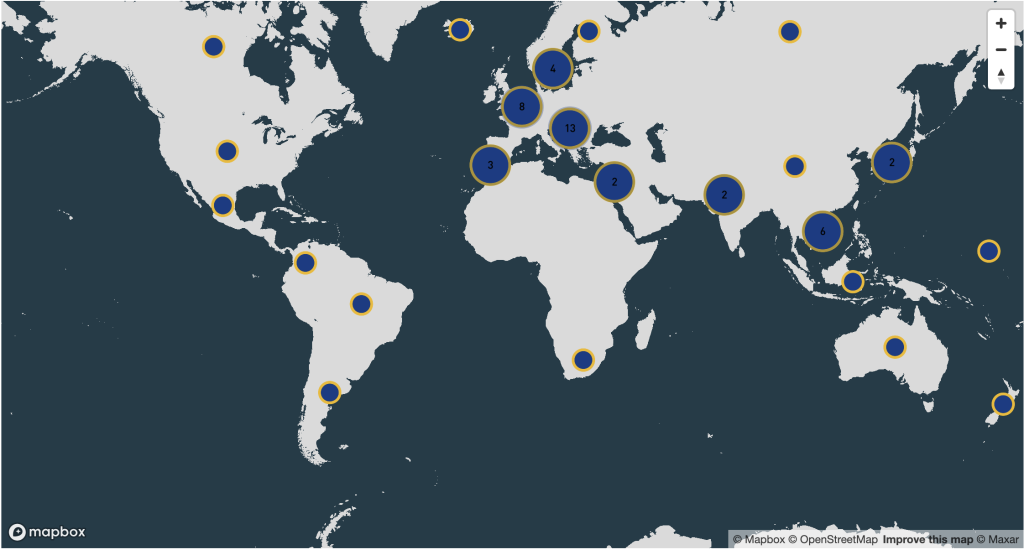
Official visits
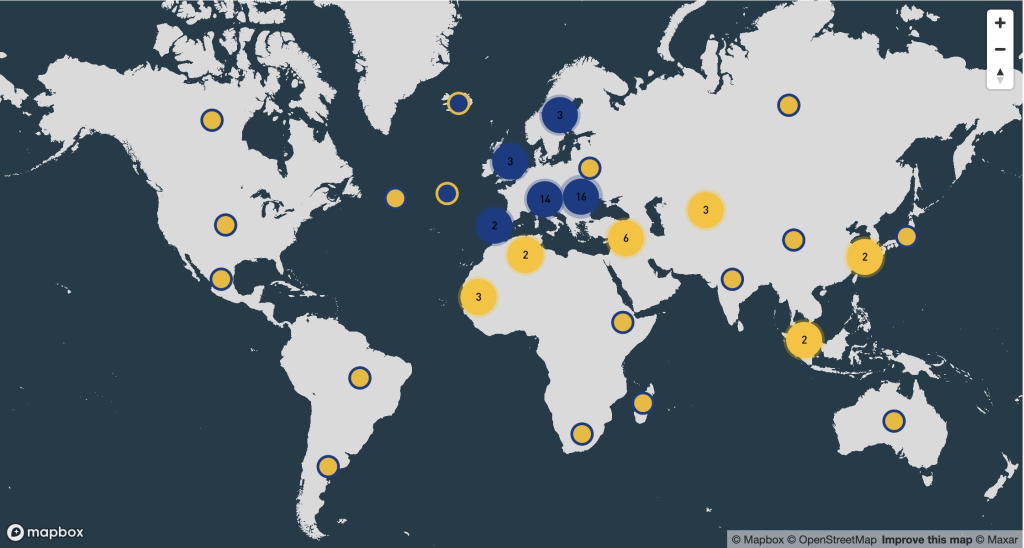
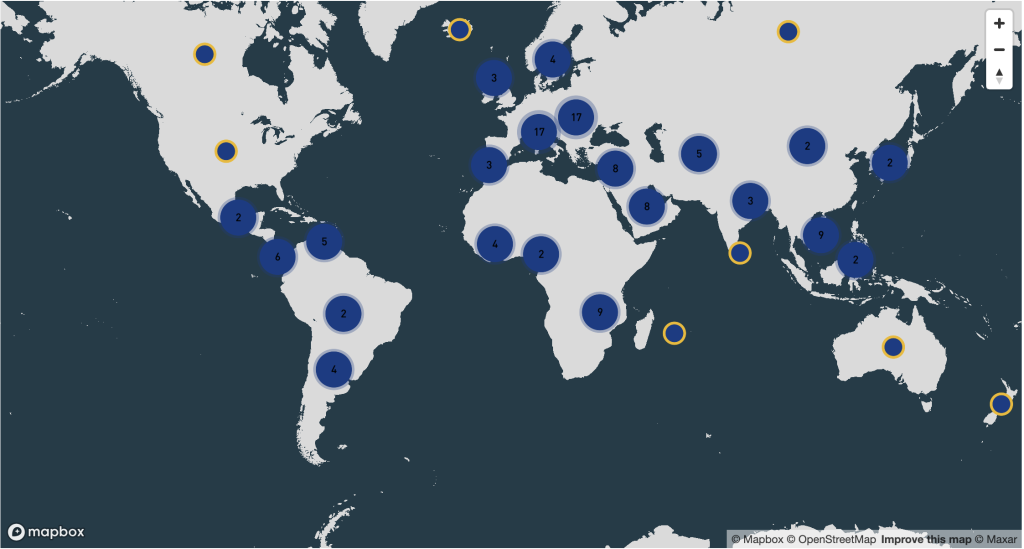
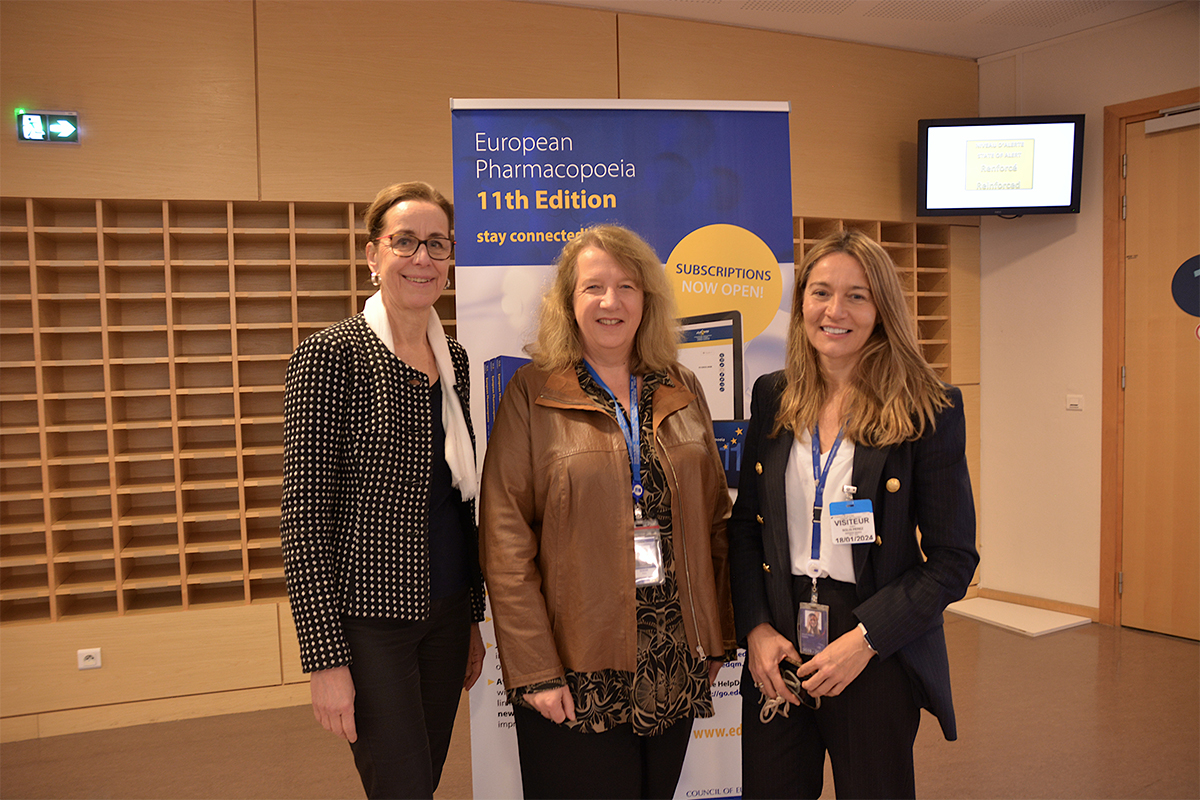
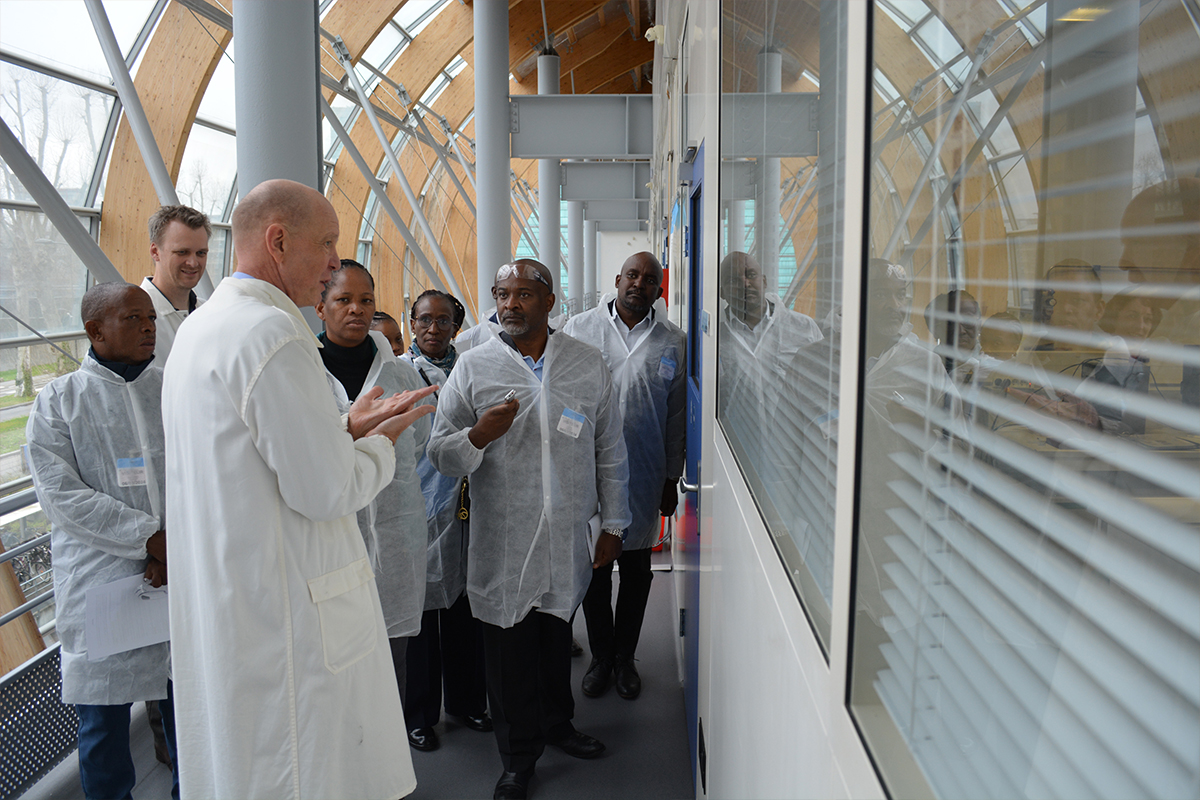
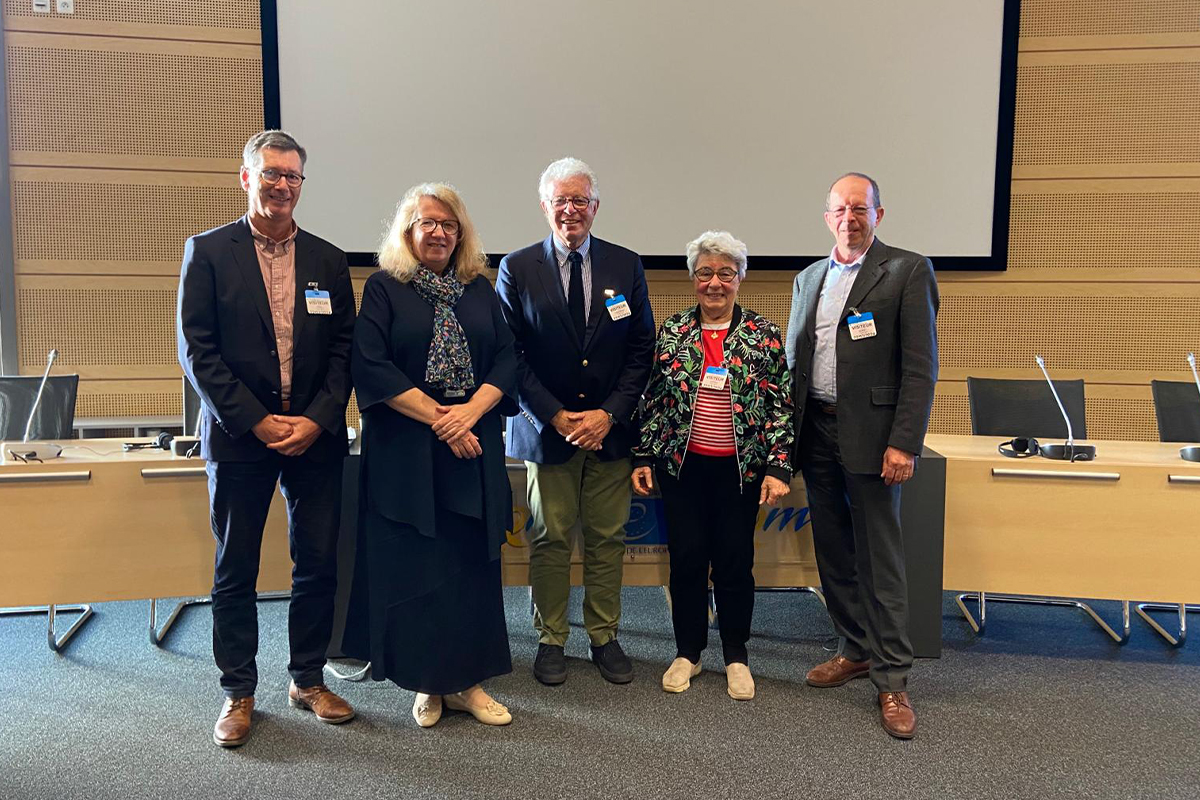
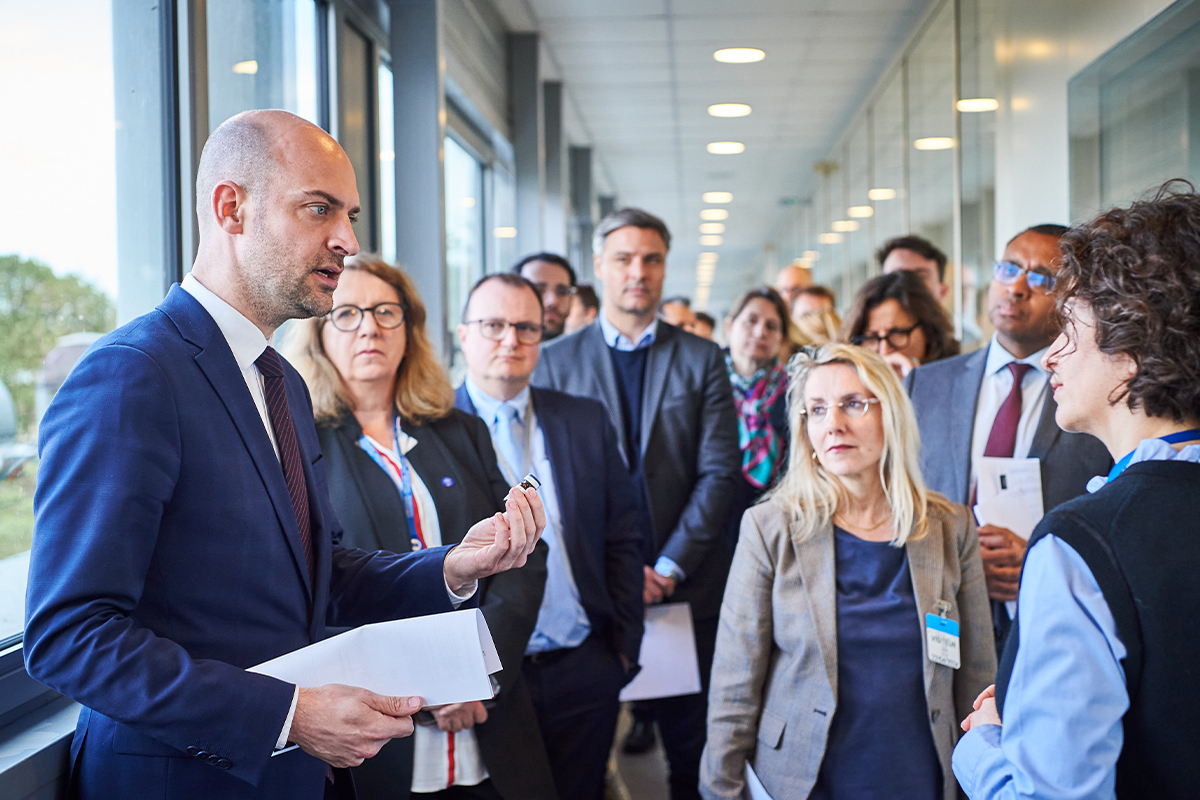
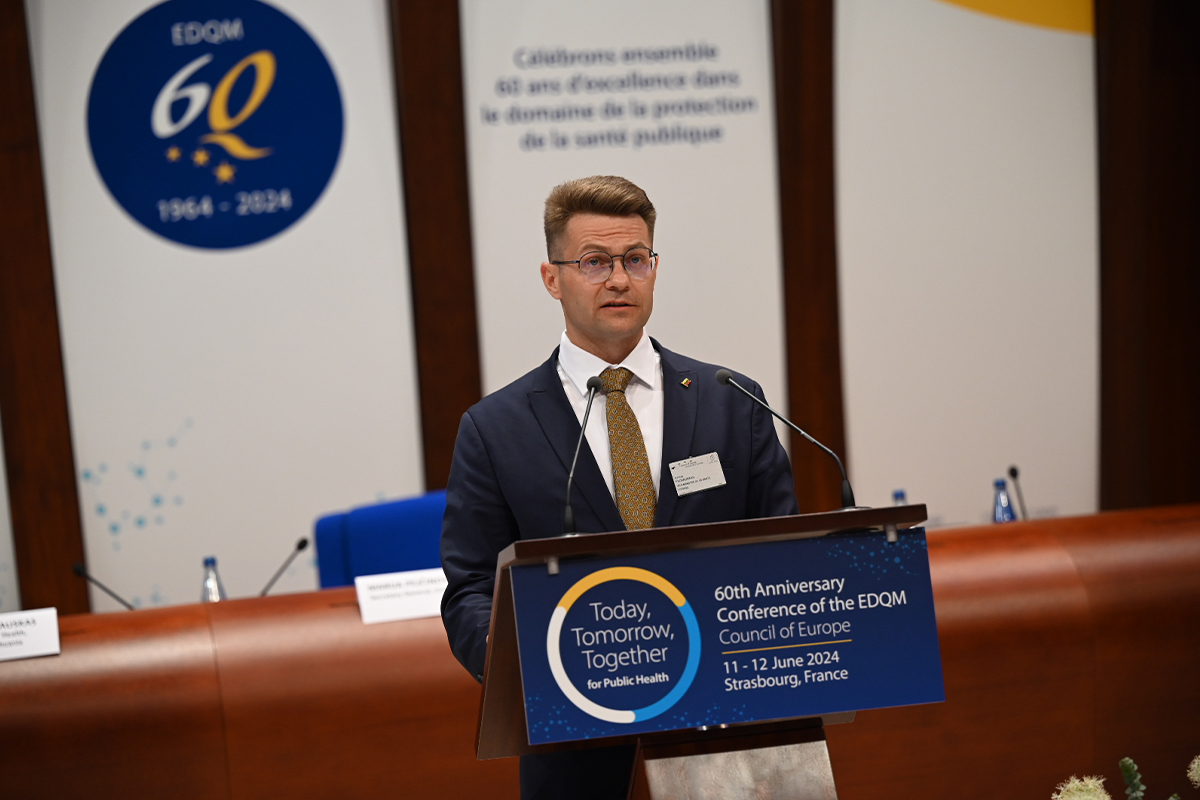
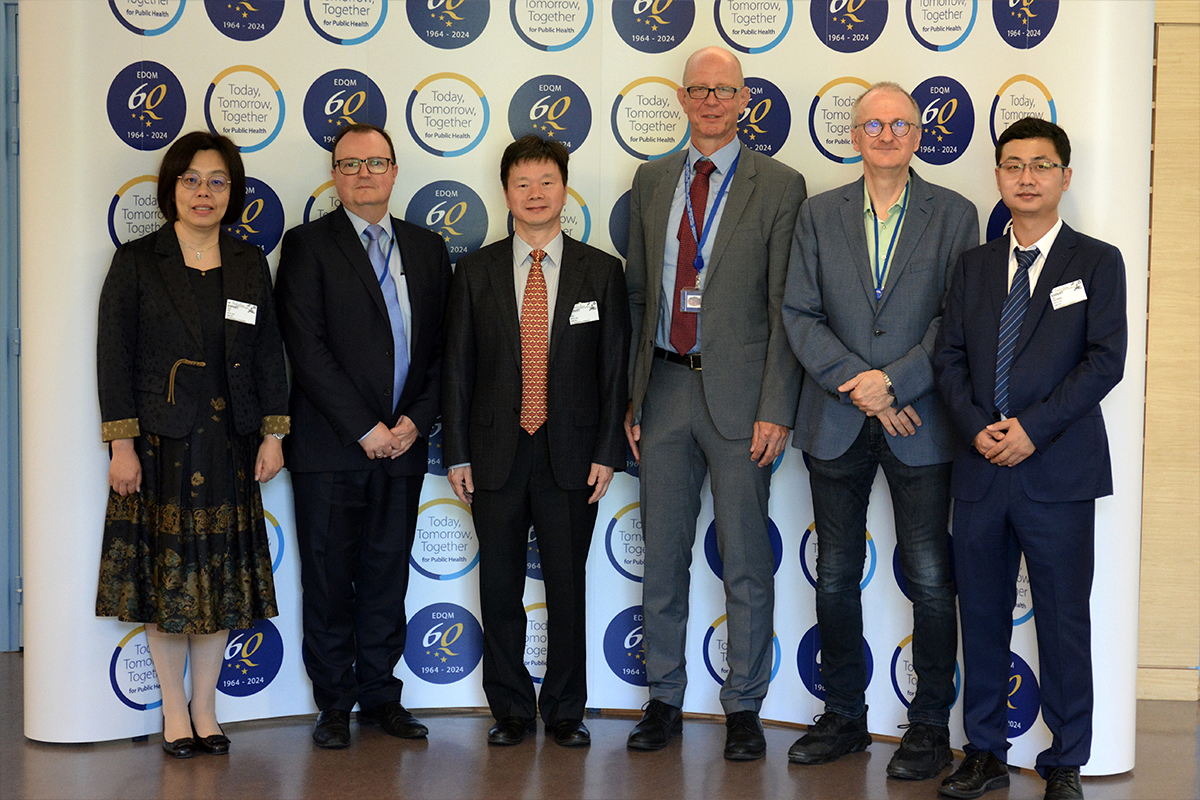
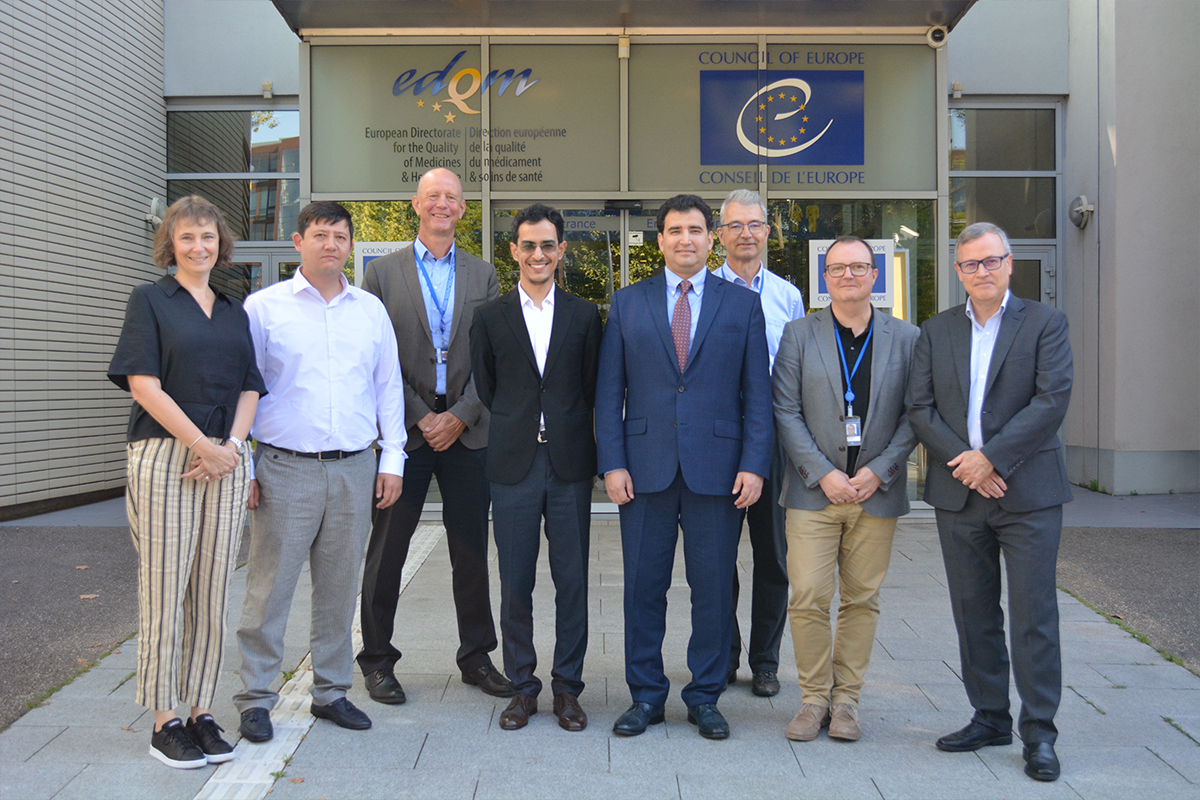
In 2024, the EDQM welcomed a number of high-level delegations and officials, reflecting its growing role as a key player in international health co-operation and regulatory dialogue. These visits served as important opportunities to strengthen ties, exchange expertise and explore new avenues for collaboration. Notable engagements included a visit by a delegation of members of the European Parliament (MEPs) from the Committee on Environment, Public Health and Food Safety (ENVI), led by Fabienne Keller on 18 January, aimed at deepening understanding of the EDQM’s role within the EU legislative framework. On 6 March, the Botswana Medicines Regulatory Authority (BoMRA) visited to discuss regulatory convergence and capacity building, followed by a delegation from the French Académie Nationale de Pharmacie on 25 March. The EDQM also hosted Jean-Noël Barrot, Minister Delegate for Europe in the French Government, on 22 April, and Aurimas Pečkauskas, Vice-Minister for Health of Lithuania, on 10 June, both reaffirming national support for the EDQM’s mission. Further strengthening global ties, the EDQM received delegations from the National Institute for Food and Drug Control (NIFDC) of China on 24 and 25 June, and the Centre for Pharmaceutical Product Safety (CPPS) of Uzbekistan’s Ministry of Health on 29 July. Each of these visits reinforced the EDQM’s commitment to global outreach, inclusivity and co-operation in safeguarding public health.
New members and observers
The Turkish Medicines and Medical Devices Agency – Analysis and Control Laboratories Department joined the General European OMCL Network (GEON), co-ordinated by the EDQM, in August 2024, becoming the first Turkish OMCL to achieve full member status. Türkiye acceded to the Convention on the Elaboration of a European Pharmacopoeia in 1993 and has been a member of the European Pharmacopoeia Commission ever since. It formally requested GEON membership in 2022. In 2024, the GEON counted 68 member laboratories from 42 countries. GEON membership includes many advantages, such as swift communication and knowledge-sharing, harmonised standards and testing methodologies and resource pooling. It is a tangible result of the EDQM’s strategic efforts to expand its international outreach to tackle global health issues more effectively.
The Brazilian regulatory agency Anvisa (Agência Nacional de Vigilância Sanitária), which is responsible for the approval and supervision of food, cosmetics, tobacco, pharmaceuticals, health services and medical devices, among others, decided in 2024 to consider evaluation reports from international regulatory bodies in their decision-making process. This includes using the EDQM’s Certification of suitability to the monographs of the European Pharmacopoeia (CEP) procedure to support the evaluation of applications used in marketing authorisation applications for medicinal products. This initiative, which helps advance international convergence in pharmaceuticals worldwide and improve access to healthcare, builds upon two memoranda of understanding between Anvisa and the EDQM signed in 2014 and 2017, by virtue of which the Brazilian Pharmacopoeia became an observer to the Ph. Eur. Commission.
European institutions: complementary, inter-institutional co-operation
The EDQM continues to work in close collaboration with European Union (EU) institutions and agencies – particularly the European Commission (DG SANTE and DG GROW) and the European Medicines Agency (EMA) – to advance shared public health objectives. This co-operation spans multiple dimensions, including regulatory alignment, technical collaboration through jointly co-financed programmes, policy and technical dialogue, and mutual representation in key scientific and governance bodies.
These partnerships are instrumental in supporting long-term programmes and strategic objectives across four major areas: medicines, pharmaceutical care, substances of human origin (SoHO) and consumer health. Through joint initiatives, observer roles and formal agreements, the EDQM contributes to harmonised standards, regulatory alignment and improved health outcomes across Europe.
Medicines and pharmaceutical care
Mutual participation in scientific and regulatory bodies
The EDQM participates as an observer in several EMA working parties and committees, including the Biologics Working Party (BWP), Quality Working Party (QWP), Immunologicals Working Party (IWP), Good Manufacturing and Distribution Practice Inspectors Working Group (GMDP IWG), 3Rs Working Party, and the Committee for Advanced Therapies (CAT).
In turn, the EMA and European Commission participate actively in EDQM programmes, serving as observers or members in the Biological Standardisation Programme (BSP) Steering Committee and specific OMCL advisory groups concerned with matters such as the GEON, the Official Control Authority Batch Release (OCABR) Network, the Veterinary Batch Release Network (VBRN) and the Centrally Authorised Product (CAP) procedure.
Joint programmes and agreements
The CAP Sampling and Testing Programme, conducted under a co-operation agreement with the EMA, ensures independent quality control of centrally authorised medicines.
The BSP, OMCL Network and EDQM Terminology activities are supported through a contribution agreement with the European Commission, reinforcing the scientific infrastructure for medicines quality and regulatory convergence.
Collaborative technical initiatives
In March 2024, the EDQM and EMA concluded a joint emergency shortage project with the publication of a final report on the sampling and testing of a product containing a thrombolytic agent. This initiative demonstrated the value of co-ordinated action in addressing supply challenges and safeguarding patient access to essential medicines.
Substances of human origin
Regulatory co-operation
In July 2024, the EU adopted Regulation (EU) 2024/1938 on standards of quality and safety for substances of human origin intended for human application (SoHO Regulation), marking a significant step forward in ensuring the safety and quality of SoHO across Europe. Under this new legislative framework, the EDQM has been formally recognised as a key expert body, with its technical standards now serving as the primary reference for meeting EU quality and safety requirements. This recognition reflects the EDQM’s long-standing contributions to the field through its intergovernmental committees and its role in developing harmonised guidance and best practice. The new regulation strengthens the EDQM’s mandate in supporting EU member states and institutions by providing scientific expertise, maintaining up-to-date technical standards and contributing to the co-ordinated implementation of the legislation. This enhanced role further deepens the EDQM’s collaboration with the European Commission and reinforces its position as a central actor in the European public health landscape.
Technical co-operation
As part of its enhanced technical co-operation with the European Commission, the EDQM continued to implement a co-financed programme supporting the rollout of the new EU SoHO Regulation. This collaboration encompasses a broad range of activities aimed at strengthening quality and safety across the sector. In 2024, the EDQM provided expert input into the development of technical guidance documents and quality standards and actively participated in expert discussions on key topics such as safety, traceability and innovation in the field of blood, tissues and cells. In addition to these contributions, the programme supported the organisation of audits to assess compliance with EU standards and the co-ordination of proficiency testing schemes to ensure the reliability and comparability of laboratory testing across member states. These efforts collectively contribute to the harmonised implementation of the SoHO Regulation and reinforce the EDQM’s role as a trusted technical partner in safeguarding public health.
Consumer health
In the area of consumer health, the EDQM worked closely with EU institutions to promote the safe use of cosmetics, food contact materials and other consumer products. This included alignment of testing methods, risk assessment approaches and the dissemination of best practices through joint workshops and technical exchanges.
Beyond European borders – Working with international partners towards global harmonisation, convergence and reliance
Pharmacopoeial Discussion Group
The Pharmacopoeial Discussion Group (PDG) works to harmonise excipient monographs and general chapters, reducing the burden placed on manufacturers to apply different analytical procedures depending on the jurisdiction. At all times, the PDG works to reflect the latest scientific advancements while championing public health protection. The Ph. Eur. is one of the founding members of the PDG, which was set up in 1989. It currently brings together the Ph. Eur., the Indian Pharmacopoeia Commission (IPC), the Japanese Pharmacopoeia (JP) and the United States Pharmacopeia (USP), with the World Health Organization (WHO) participating as an observer.
The PDG launched the second phase of its global expansion initiative in August 2024, aimed at increasing convergence of harmonised pharmacopoeial standards. This initiative will be the start of a process over the next few years to welcome additional pharmacopoeias as new members. A stakeholder event was held in October to discuss this expansion project, current technical challenges and further opportunities for collaboration. This was a unique opportunity for a wide variety of stakeholders, including professionals from the pharmaceutical industry, pharmacopoeial and regulatory affairs staff, laboratory scientists and quality control managers, to engage with representatives from the PDG member pharmacopoeias.
World Health Organization
The EDQM supports the work of the WHO International Pharmacopoeia by handling its International Chemical Reference Standards (ICRS), as well as the WHO International Standards for Antibiotics (ISA). This involves establishing, monitoring, manufacturing, storing and distributing these reference standards. Moreover, the EDQM is an observer in the WHO Expert Committee on Specifications for Pharmaceutical Preparations (ECSPP) and Expert Committee on Biological Standardization (ECBS). The EDQM established eight new ICRS and four replacement batches of existing ICRS in 2024. In addition, ten laboratory studies were carried out to support the establishment of new standards. The EDQM also supports WHO in its External Quality Assurance Assessment Scheme (EQAAS) activities. EQAAS Phase 11 was finalised in 2024.
The OMCLs involved in OCABR participate in the WHO National Control Laboratory Network for Biologicals (NNB) for batch release of pre-qualified vaccines, to which the EDQM is an observer. This interaction helps align practices and promotes regulatory reliance. The EDQM also has observer status in the WHO Global Network of National Quality Control Laboratories for Pharmaceuticals (WHO-GNP), which was established in 2024. In its first meeting in October 2024, the EDQM shared its experience in co-ordinating a control laboratory network in Europe with the new WHO network. In addition, GEON-member OMCLs, supported by the EDQM, from EU, European Economic Area (EEA) and European Free Trade Association (EFTA) member countries are part of the European Medicines Regulatory Network, which has been designated a WHO Listed Authority since May 2024.
Since October 2022, the EDQM has been a member of the Coalition of Interested Parties (CIP). Its engagement focuses on the African region. In 2024, it participated in the annual meeting of its Global Steering Group (GSG) and in pulse check meetings.
International Pharmaceutical Regulators Programme
The EDQM is an observer to the International Pharmaceutical Regulators Programme (IPRP). The IPRP is a regulators-only initiative which focuses on exchanging information on issues of mutual interest and enabling regulatory co-operation. It assists in maximising potential efficiencies in addressing the complex global regulatory environment, facilitating the implementation of ICH and other internationally harmonised technical guidelines for pharmaceuticals for human use, promoting collaboration, regulatory convergence and reliance, and contributing to the co-ordination of a range of international efforts related to the regulation of medicinal products for human use. The EDQM Director has held the role of chair of the IPRP management committee since June 2023.
Pharmaceutical Inspection Co-operation Scheme
The EDQM continued its collaboration with the Pharmaceutical Inspection Co-operation Scheme (PIC/S) in the field of SoHO, participating in the 27th PIC/S Expert Circle meeting on human blood, tissues, cells and advanced therapy medicinal products (ATMPs), held in Kuala Lumpur, Malaysia, in August 2024.
A long-standing co-operation initiative aims to align the Good Practice Guidelines (GPG) in the EDQM Blood Guide with the PIC/S GPG for blood establishments and hospital blood banks. In 2024, this alignment was further extended to include the WHO GPG for blood establishments and hospital blood banks.
This growing international alignment is a significant step toward enhancing the quality and safety of blood and blood components in Council of Europe member states and globally. It also strengthens international co-operation and supports greater interoperability of blood systems.